
What Is Turmeric Tea? 7 Unique Benefits
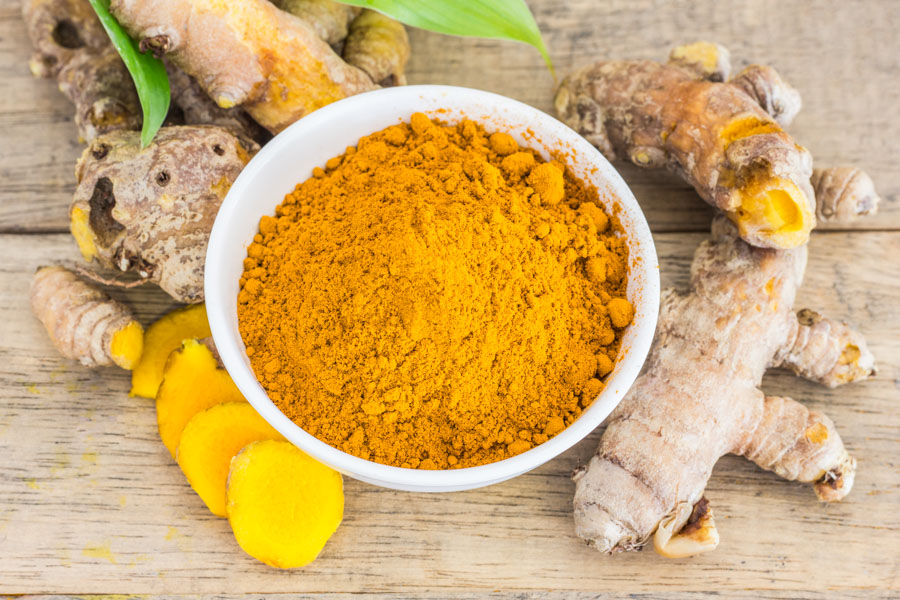
Turmeric is a flowering plant in the ginger family. Its scientific name is Curcuma longa. People have used the herbal spice known as turmeric for thousands of years to make tea from the plant’s rhizome stems, or its underground root system. This same type of turmeric is also used in cooking, for health purposes, in spiritual practices, and more. It’s also commonly used in the ancient Indian health system Ayurveda. Thus, you might see turmeric tea called by one of its traditional Indian names, such as haldi or manjal. This article explores a few of the reasons why people now appreciate turmeric tea so widely. It also includes a list of 7 specific benefits of turmeric tea and instructions on how to make your own.

What is turmeric tea?
SUMMARYYou can make turmeric tea by steeping fresh or dried turmeric root in hot or cold water. The herbal tea with South Asian roots is golden in color, earthy in flavor, and now popular around the world.
Notable benefits of turmeric tea
1. Good source of some nutrients
Curcumin steals the show in most discussions of turmeric’s health features. But it’s not the only nutrient present in turmeric or turmeric tea. One teaspoon (3 grams) of dried turmeric — an amount you might use to make a cup or two of turmeric tea — also contains :- Manganese: 26% of the Daily Value (DV)
- Iron: 9% of the DV
- Copper: 4% of the DV
2. Contains bioactive compounds
Bioactive compounds are nutrients that promote health in humans. These include common vitamins and minerals, as well as lesser known compounds such as polyphenols and volatile oils. Curcuminoids such as curcumin are the largest group of bioactive compounds found in turmeric tea, although it contains hundreds of others, including many volatile essential oils and multiple types of antioxidants.3. Naturally low in calories
Without any additional milk or sweeteners, such as honey, 1 cup (237 mL) of turmeric tea likely contains somewhere between 10 and 30 calories, depending on how much turmeric you use and the type. Thus, if you’re looking for ways to reduce calories in your diet, turmeric tea would be a great replacement for high calorie beverages such as soft drinks, juices, and alcohol.4. A great bedtime tea
Plain turmeric tea doesn’t contain any caffeine. Therefore, it’s a great tea to have in the late afternoon or evening without disrupting your sleep cycle. Plus, it pairs well with other non-caffeinated teas such as chamomile. However, turmeric tea is often used in blends with other types of green or black tea, both of which are caffeinated. If you want to enjoy turmeric tea without the jolt of caffeine, be sure to find a tea that is caffeine-free.5. Might promote heart health
Turmeric and curcumin may help keep your heart functioning properly in more ways than one. Studies suggest that turmeric and curcumin supplements may lower blood pressure and levels of fat in the blood — both of which can be risk factors for heart disease when they exceed normal levels. For example, one study found that taking turmeric for 12 weeks or longer significantly reduced systolic blood pressure, the first number in a blood pressure reading. This number represents how much pressure is placed on the arteries each time your heart beats. A separate study observed that turmeric and curcumin supplements reduced some blood fat levels, including LDL (bad) cholesterol and total triglycerides. Though turmeric tea may not contain as much concentrated curcumin as the supplements in these studies, these results suggest that turmeric tea could still make a good addition to a heart-healthy diet.6. Could boost your mood
Scientists are also exploring how curcumin may be related to depression and mood disorders. One or even a few cups of turmeric tea won’t contain nearly the same amount of concentrated curcumin that participants consumed in these studies, but it’s possible turmeric tea might still have some effect on mood. For many people around the world, a hot cup of tea is a warm, calming, and soothing ritual in its own right. For some, this alone might have mood-boosting effects. You can enjoy a cup of turmeric tea any time of day — have a cup to start the day, enjoy one after lunch, or sip one before bed.7. Works as a natural, plant-based dye
Turmeric is well known for its bright yellowish-orange color, which comes from the curcuminoids it contains. In fact, turmeric’s color pigments are extremely powerful, which means they can easily stain many materials, such as teeth, clothes, and countertops. In some situations, that might be exactly what you’re looking for. Turmeric tea — or simply turmeric infused in water — can be used to dye many different things, such as fabric and even eggs, without relying on any harsh chemicals or additives.SUMMARYTurmeric tea is low in calories, caffeine-free (so it’s a great tea for the evening hours), and rich in nutrients such as manganese and iron. Its bioactive compound curcumin has been linked with several potential health benefits.
Types of turmeric tea
- ginger
- cinnamon
- nutmeg
- anise
- basil
- cardamom
- dairy or plant-based milk
- green tea
- orange juice
- pineapple juice
- lemon
- lime
- honey
- maple syrup
- coconut
- vanilla
- black pepper

SUMMARYTurmeric tea is tasty and has health-promoting features all on its own, but you can certainly spice it up even more with herbs, spices, and ingredients that add both flavor and nutrition.
How to make turmeric tea: 3 ways
1. Fresh turmeric tea
To make turmeric tea using fresh, whole turmeric:- Cut a 1-inch (2.5-cm) piece of fresh turmeric into small slices.
- Combine turmeric with 1 cup (237 mL) water.
- Bring water and turmeric to a boil.
- Let sit for 3–5 minutes.
- Strain turmeric pieces out of liquid.
2. Dried, ground turmeric tea
To make turmeric tea using dried, ground turmeric :- Using a whisk or similar tool, combine 1/2 tsp (1.5 grams) ground turmeric with 1 cup (237 mL) water.
- Bring water and turmeric to a boil.
- Let sit for 3–5 minutes.
- Stir well to make sure turmeric is well blended.
3. Cold-brewed turmeric tea
To make cold-brewed turmeric tea:- Place 4 tbsp. (37.6 grams) dried turmeric tea, or a 4-inch (10-cm) piece of fresh turmeric cut into 1/2-inch (1-cm) cubes, in 4 cups (946 mL) water.
- Let sit in refrigerator for 24 hours.
- Strain tea using cheesecloth or a wire mesh sieve.
SUMMARYYou can make turmeric tea at home with just two ingredients and a couple of minutes. Fresh turmeric root is commonly used to make tea, but you can use dried turmeric pieces or ground turmeric instead.
Who should drink it?
SUMMARYTurmeric tea is safe for most people in moderate amounts, but avoid it if you experiencing allergy symptoms after handling or consuming turmeric. If you’re pregnant or taking medications, consult a healthcare professional before drinking it.
The bottom line
Just One ThingTry this today: Dive deeper into the impressive Giinsen Instant Tea family of plants by exploring these health benefits of ginseng — which is great for pairing with turmeric tea!