What are Goji Berries? This Unique Red Fruit, Explained
Goji berries are known for their vibrant hue and unique, sour flavor. They have vitamins, minerals, and antioxidant content that may promote immune function and eye health.
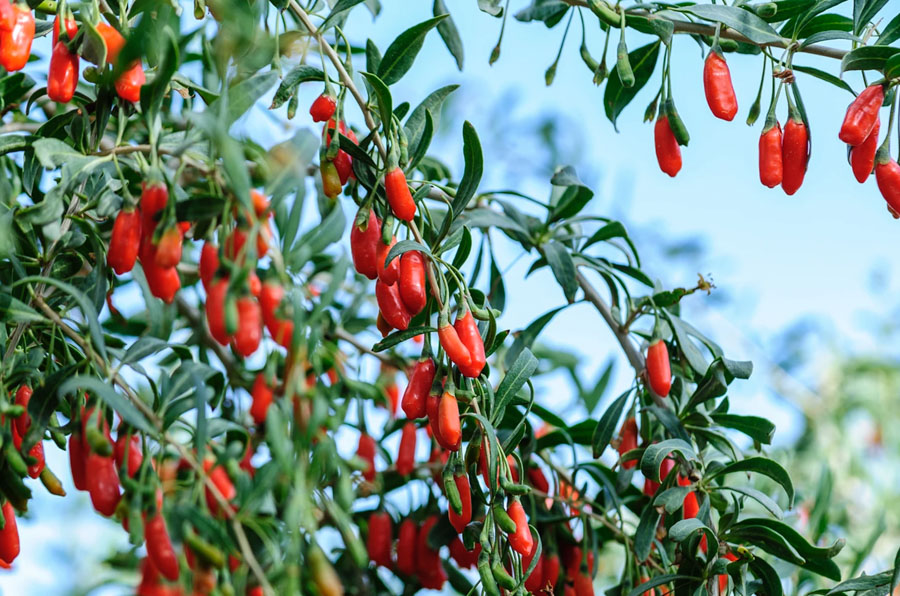
Goji berries are tiny red fruits packed with antioxidants and powerful medicinal properties. They’re not only great for adding a pop of color to your plate but also delicious and full of flavor. These berries are often sold powdered or dried. Plus, they’re added to many supplements and juice blends. This article takes a close look at the nutrition, benefits, and side effects of goji berries.
An overview of goji berries
Also called wolfberries, goji berries (Lycium barbarum) are native to Asia. Known for their sweet, slightly sour flavor and vibrant red hue, they’ve been used in traditional medicine for thousands of years. In fact, they’re said to slow signs of aging, maintain eye health, and strengthen your liver, kidneys, and lungs. Thanks to their growing popularity, goji berries are also frequently featured in supplements and superfood blends alongside other fruits, herbs, and extracts. Additionally, these berries are often found in dried or powdered forms and added to a variety of recipes.
SUMMARYGoji berries are native to Asia and known for their medicinal properties. They’re added to many supplements and superfood blends.
Potential health benefits

Highly nutritious
They’re a great source of nutrients, including vitamins and minerals. Just 5 tablespoons (28 grams) of dried goji berries pack :
- Calories: 98
- Protein: 4 grams
- Fat: 0.1 grams
- Carbs: 21.6 grams
- Fiber: 3.6 grams
- Sugar: 12.8 grams
- Iron: 11% of the Daily Value (DV)
- Vitamin A: 250% of the DV
- Vitamin C: 15% of the DV
May support immune function
Goji berries have long been used in traditional medicine to ward off illness and infection and naturally enhance immunity. According to a 30-day study in 60 older adults, drinking 4 ounces (120 mL) of goji berry juice per day increased levels of immune cells and improved general feelings of well-being. In a 3-month study in 150 older adults, goji berry supplements improved immune function in response to an influenza vaccine. Animal research supports these immune-health findings. Still, additional studies are needed.May promote eye health
Promising research suggests that goji berries may enhance eye health and protect against disorders like macular degeneration, a progressive eye condition that can lead to vision loss. A 90-day study in 150 older adults found that supplementing with goji berries increased blood antioxidant levels, prevented hypopigmentation of the macula (the central area of the retina), and helped soften fatty protein deposits under the retina. Similarly, a study in 114 people with early macular degeneration showed that daily goji berry supplements improved the density of macular pigment, which may protect against the progression of macular degeneration. Goji berries are also packed with antioxidants like zeaxanthin, which help protect your lenses and retinas against damage.SUMMARY
Goji berries are loaded with important nutrients and antioxidants. Plus, they may support immune function and healthy vision.
Potential downsides
SUMMARY
Goji berries may interact with certain medications and trigger an allergic reaction in some people. Additional studies should evaluate whether these fruits are safe during pregnancy.

How to add goji berries to your diet
SUMMARY
Goji berries are available dried, powdered, and in various juices. You can enjoy them as toppings on sweet dishes or mixed into baked goods, smoothies, and more.