
Your body needs to recover from a sports injury
When it comes to sports and athletics, injuries can sometimes be a part of the game.
However, no one likes to be sidelined for longer than necessary.
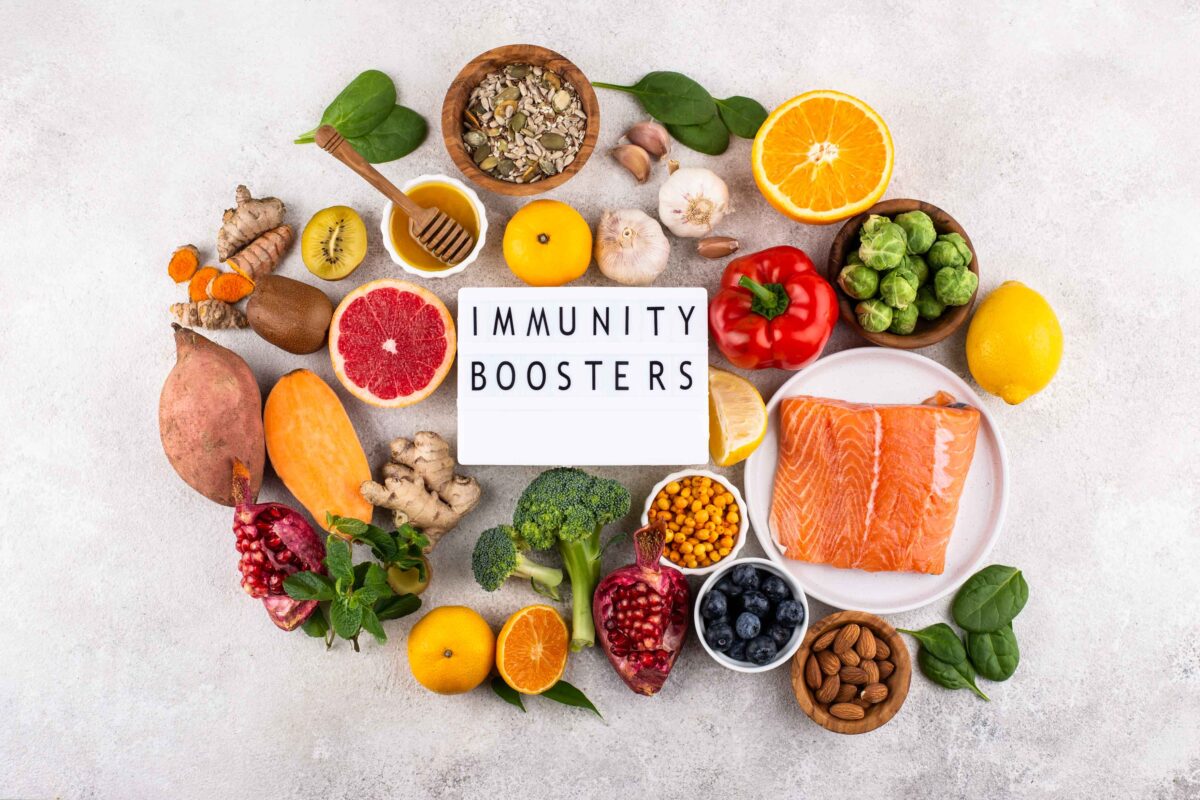
This article lists 14 foods and supplements you can consider adding to your diet to help you recover from an injury more quickly.
Why are muscles sore after working out?
Working out can occasionally leave you with sore muscles, especially if you use your body in a new way, like trying a new sport or increasing the intensity or duration of an activity your body is used to.
Eccentric contractions (such as the lowering portion of a biceps curl), during which your muscles lengthen while under tension, can also lead to soreness.
But it’s important to know the difference between soreness from a challenging workout and soreness from injury.
Delayed onset muscle soreness
Soreness after working out, also known as delayed onset muscle soreness (DOMS), is believed to be caused by microdamage to muscle fibers and inflammation. This type of soreness usually peaks 2–3 days after the workout session.
DOMS is part of the process of your muscles becoming conditioned to a new activity. While some believe muscles become sore due to a buildup of lactic acid, lactic acid is not involved in DOMS.
Muscle pain from an injury, such as a strain or tendonitis, is distinct from DOMS.
While DOMS takes a day or two to come on, pain from an injury is usually felt immediately. Pain from an injury is also usually localized to one area. And typically, the pain from an injury can last anywhere from a week to months, while DOMS usually resolves within 5–7 days.
1. Protein-rich foods
Protein is an important building block for many tissues in your body, including muscle.
After a sports injury, the injured body part is often immobilized. This generally leads to a decline in strength and muscle mass.
However, getting enough protein can help minimize this loss. Furthermore, a protein-rich diet may help prevent inflammation from getting too bad and slowing down your recovery.
Moreover, slightly increasing your protein intake once you start training the newly healed body part again helps you rebuild any lost muscle.
For all these reasons, make sure to include protein-rich foods like meat, fish, poultry, eggs, tofu, beans, peas, nuts, or seeds in your daily menu.
How you distribute these foods throughout the day also seems to matter.
Research shows that spreading your protein intake equally over four meals may stimulate muscle growth more than an uneven distribution.
Experts also suggest that eating a protein-rich snack before bed may enhance your body’s muscle-building process while you sleep.
SUMMARYEating protein-rich foods at every meal and for snacks may help lessen muscle loss following an injury. Protein-rich foods may also help you regain muscle mass faster once you return to training.
2. Fiber-rich foods
Recovery from injury often involves immobilization or limited use of the injured body part. And when you move less, you use less energy throughout the day.
To help manage your weight while you’re recovering, you’ll likely want to eat a little differently than you did when you were hitting those workouts before an injury.
One way to reduce your calorie intake without feeling hungrier is to consume a diet rich in fiber. This, along with consuming the protein-rich foods mentioned above, may help you eat less without feeling deprived.
That’s because fiber-rich foods such as fruits, vegetables, legumes, and whole grains help promote feelings of fullness after meals.
As a bonus, fiber-rich foods tend to be high in several other nutrients essential for your recovery, including vitamin C, magnesium, and zinc.
However, note that restricting calories too severely can reduce wound healing and promote muscle loss, both of which negatively affect recovery.
Therefore, if you were attempting to lose body fat before the injury, consider postponing your weight loss efforts. Instead, focus on maintaining your body weight until your recovery is complete.
SUMMARYConsuming fiber-rich foods while recovering from an injury can help with healing and weight management during recovery.
3. Fruits and vegetables rich in vitamin C

Vitamin C helps your body make collagen, which helps maintain the integrity of your bones, muscles, skin, and tendons.
Vitamin C is also important for wound healing.
Therefore, getting enough vitamin C in your diet is a great way to help your body rebuild tissue after an injury.
Moreover, vitamin C has antioxidant and anti-inflammatory properties, which may help speed up your recovery by preventing excessive levels of inflammation .
Luckily, vitamin C is one of the easiest vitamins to get enough of through your diet.
Some of the foods highest in vitamin C are citrus fruits, red and yellow bell peppers, dark leafy greens, kiwi, broccoli, berries, tomatoes, mango, and papaya.
Research is mixed on whether vitamin C supplementation can actually improve athletic performance or speed recovery, especially for those already getting enough vitamin C from their diet.
Nevertheless, the small number of people who can’t consume enough vitamin C-rich foods may want to consider taking supplements.
SUMMARY
Vitamin C-rich foods can help your body produce the collagen that’s required to rebuild tissue after an injury. It may also help prevent excessive inflammation from slowing down your recovery.
4. Omega-3 fatty acids
After an injury, the first phase of wound healing always involves some inflammation. This inflammatory response is beneficial and needed for proper healing.
However, if this inflammation remains too high for too long, it may slow down your recovery.
One way to prevent excess inflammation from delaying your recovery is to eat enough omega-3 fats.
These fats, which are found in foods such as fish, algae, walnuts, flaxseed, and chia seeds, are known to have anti-inflammatory properties.
You can also prevent excess or prolonged inflammation by limiting your consumption of omega-6 fats, which are commonly found in corn, canola, cottonseed, soy, and sunflower oils.
Consuming too many omega-6 fats may promote inflammation, especially if your intake of omega-3 fats is low.
In addition, some studies report that omega-3 supplements may help increase the creation of muscle protein, reduce the loss of muscle during immobilization, and promote recovery from concussions.
However, high intakes of omega-3 fats from supplements may reduce your body’s ability to regain muscle mass once you return to training. Therefore, it may be best to increase your omega-3 intake through foods rather than supplements.
SUMMARY
Foods rich in omega-3 fats may help speed up your recovery by helping to prevent excessive or prolonged inflammation. Limiting your intake of omega-6 fats can also be helpful.
5. Zinc-rich foods
Zinc is a component of many enzymes and proteins, including those needed for wound healing, tissue repair, and growth.
In fact, studies show that not getting enough zinc from your diet can delay wound healing.
Therefore, consuming zinc-rich foods such as meat, fish, shellfish, pulses, seeds, nuts, and whole grains may help you recover more effectively from an injury.
Some people may be tempted to simply take zinc supplements to ensure they meet their recommendations.
But zinc competes with copper for absorption, so receiving high doses of zinc from supplements may increase the likelihood of copper deficiency.
Overall, if your zinc status is good, additional zinc from supplements probably won’t speed up wound healing. However, getting enough from your diet is important.
SUMMARY
Regularly consuming zinc-rich foods can help speed up wound healing and tissue repair and growth.
6. Vitamin D- and calcium-rich foods
Calcium is an important component of bones and teeth. It’s also involved in muscle contractions and nerve signaling.
That’s why it’s important to ensure you get enough calcium at all times — not just when you’re recovering from an injury.
Calcium-rich foods include dairy products, leafy greens, sardines, broccoli, okra, almonds, seaweed, and calcium-fortified tofu and plant milks.
Vitamin D serves an equally important function because it helps your body absorb the calcium found in the foods you eat. Together with calcium, it plays an instrumental role in recovery from a bone injury.
Also, getting enough vitamin D may increase the chances of a good recovery after surgery. For instance, studies have found that good vitamin D status can enhance strength recovery following an anterior cruciate ligament (ACL) surgery.
Few foods naturally contain vitamin D, but your body can make vitamin D from exposure to the sun.
Those who live in northern climates or spend a limited amount of time outdoors may require supplements to get enough vitamin D.
SUMMARY
Eating enough calcium-rich foods is necessary for proper recovery from fractures. Getting enough vitamin D can also help.
7. Creatine
Creatine is a substance naturally found in meat, poultry, and fish.
It helps your body produce energy during heavy lifting or high intensity exercise. The human body can also produce about 1 gram of it per day.
Creatine has become a popular supplement commonly used to increase muscle mass and improve performance in various sports.
Interestingly, it may also help you recover from an injury.
One older study reported that creatine supplements enhanced the gain of muscle mass and strength lost during a 2-week immobilization period more than a placebo.
Another study found that individuals supplementing with creatine lost less muscle in their upper body during a weeklong period of immobilization than those given a placebo. However, not all studies have found these results.
In both studies that showed positive results, participants took the creatine supplement in four doses of 5 grams each day.
It’s important to note that there is currently no consensus about creatine and sports injury recovery. However, no studies to date have found any serious side effects.
Creatine remains one of the most-studied, safest supplements around, so it may be worth trying.
SUMMARY
Creatine may enhance your recovery by reducing the amount of muscle you lose immediately after your injury. It may also help you regain muscle more quickly once you go back to training.
8. Glucosamine
Calcium is an important component of bones and teeth. It’s also involved in muscle contractions and nerve signaling.
That’s why it’s important to ensure you get enough calcium at all times — not just when you’re recovering from an injury.
Calcium-rich foods include dairy products, leafy greens, sardines, broccoli, okra, almonds, seaweed, and calcium-fortified tofu and plant milks.
Vitamin D serves an equally important function because it helps your body absorb the calcium found in the foods you eat. Together with calcium, it plays an instrumental role in recovery from a bone injury.
Also, getting enough vitamin D may increase the chances of a good recovery after surgery. For instance, studies have found that good vitamin D status can enhance strength recovery following an anterior cruciate ligament (ACL) surgery.
Few foods naturally contain vitamin D, but your body can make vitamin D from exposure to the sun.
Those who live in northern climates or spend a limited amount of time outdoors may require supplements to get enough vitamin D.
SUMMARY
Eating enough calcium-rich foods is necessary for proper recovery from fractures. Getting enough vitamin D can also help.
9-14. Other beneficial foods for bone fractures
In addition to getting enough calcium and vitamin D, good intakes of the following nutrients may contribute to a speedier recovery from bone fractures:
- Magnesium. This mineral promotes bone strength and firmness. Higher magnesium intake is associated with higher bone mineral density and lower risk of bone fracture. Magnesium is found in almonds, cashews, peanuts, potato skins, brown rice, kidney beans, black-eyed peas, lentils, and milk.
- Silicon. Silicon plays an important role in the early stages of bone formation and may help improve bone mineral density. The best sources include whole grains and cereals, carrots, and green beans.
- Vitamins K1 and K2. These vitamins direct calcium toward bones and help improve bone strength. Deficiency is associated with bone fractures. The best sources are leafy greens, Brussels sprouts, prunes, sauerkraut, natto, miso, organ meats, egg yolks, and grass-fed dairy products.
- Boron. This element promotes bone health by increasing calcium and magnesium retention and enhancing vitamin D’s effect. Prunes are the best dietary source.
- CoQ10. This important antioxidant has anti-inflammatory effects and can increase bone formation while decreasing bone resorption. CoQ10 is primarily found in organ meats, pork, beef, chicken, fatty fish, soybeans, peanuts, and whole grains.
- Arginine. This amino acid is needed to produce nitric oxide, a compound necessary for fracture healing. The best sources are meat, dairy, poultry, seafood, nuts, and oatmeal.
Those recovering from bone fractures should consume foods rich in these nutrients daily, if possible.
SUMMARY
The nutrients described above are necessary for the health of your bones. Therefore, getting enough of them may help you recover from a fracture more quickly.
The bottom line
When you’re recovering from a sports injury, many elements come into play.
While not all of them are under your influence, you likely have some control over the nutrients you provide your body.
Therefore, regularly consuming the foods and supplements mentioned in this article is one way you can speed up your recovery.
If you’re considering supplements, it’s always a good idea to talk with your doctor before adding any to your daily regimen, especially if you’re taking any prescription medications.